Choosing how to preserve your family’s legacy is a big decision, and it’s easy to feel overwhelmed by all the options. This guide offers a clear, honest life story comparison to help you understand the differences between DIY journals, automated services, and full-service biographies so you can confidently choose the best path for your family.
What you'll learn:
- The three main ways to capture a life story, from DIY to full-service.
- A side-by-side comparison of popular services and methods.
- The six key factors to consider before you commit.
- Recommendations based on your family's specific needs.
Find the Best Way to Preserve Your Family's Story
Before comparing specific brands, it helps to understand the different approaches available. This section breaks down the core family biography service vs journal debate, covering the three main ways you can record family stories, each with its own pros, cons, and time commitment.
Three Main Ways to Record Family Stories
DIY Journals & Audio Recorders
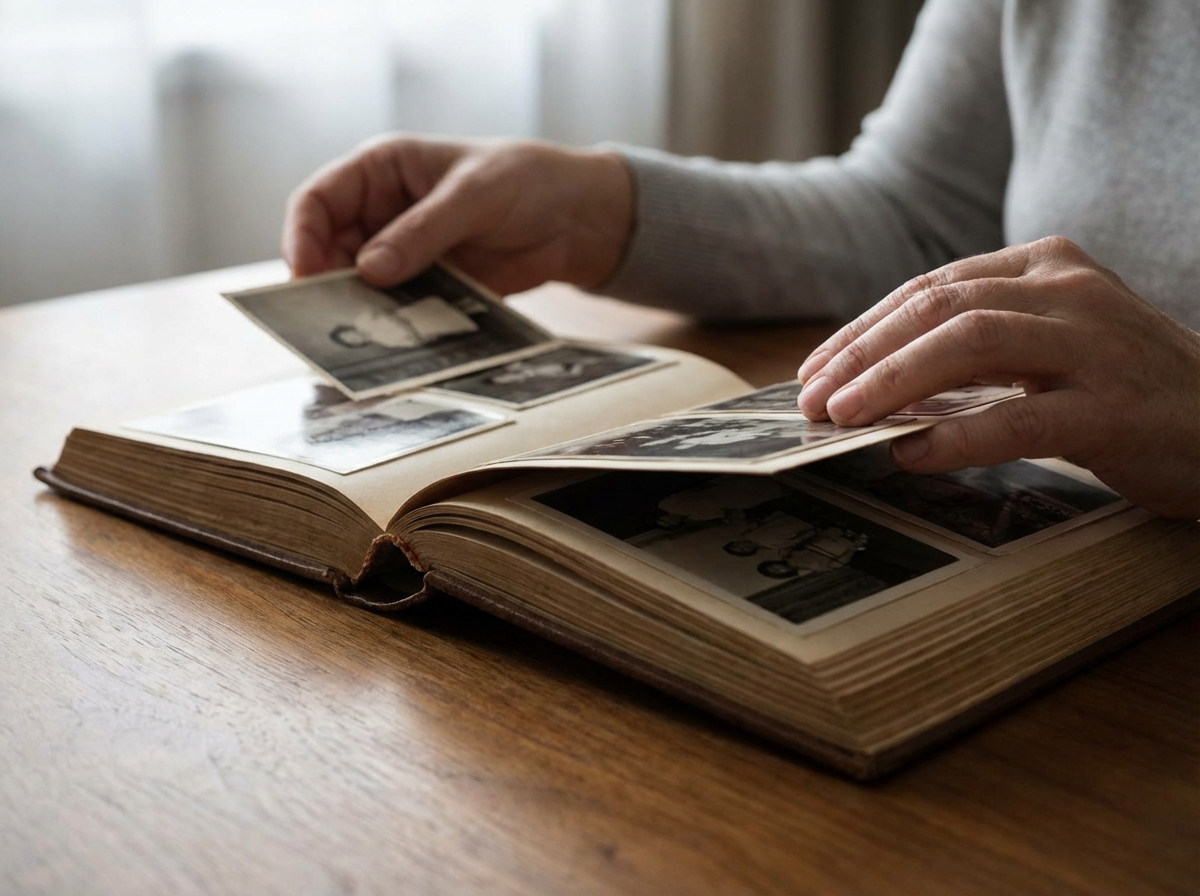
This is the classic, hands-on approach. You buy a nice journal or use a simple voice recorder app on your phone and take the lead. You come up with the questions—or get inspired by our list of life story questions—schedule the time, and are responsible for transcribing, organizing, and turning the raw material into a finished product.
- Best for: Families on a tight budget, people who enjoy project management, or those who want total creative control from start to finish.
- Challenges: It requires significant self-discipline to start and finish. It's easy for recordings to sit on a hard drive for years or for a journal to end up half-finished.
Automated Prompt Services (e.g., Storyworth)
These services act as a project manager, sending weekly email prompts with life story questions. Your loved one writes a reply, and after a year, the collected stories are automatically formatted into a simple book. This provides structure and a clear deadline.
- Best for: Motivated writers who are comfortable with email and technology. It’s a great option for those seeking a guided, digital-first approach.
- Challenges: The experience is text-focused, so you miss the sound of your loved one's voice. The final book is often a simple compilation of Q&As rather than a flowing narrative.
Full-Service Biography Interviews (Abrevity)
This approach combines the personal touch of an interview with the structure of a professional service. With Abrevity, you conduct the conversations using guided prompts and preparation support, then the team transcribes the audio and writers shape the raw stories into a cohesive, professionally written and designed book. It's a comprehensive biography service that preserves voice and, when video is captured, makes those clips viewable alongside the book.
- Best for: Families who want the highest quality final product without the weekly homework. It's ideal for capturing the authentic voice of a non-writer and ensuring the project is completed to a high standard.
- Challenges: This is the most significant financial investment, though the time savings and professional outcome often provide the greatest value.
Life Story Service Comparison Chart
Here’s a quick overview of how the different methods stack up against each other.
| Feature | Abrevity | Automated Prompts (Storyworth) | Spoken Prompts (Remento) | DIY Method (Journal/Recorder) |
|---|---|---|---|---|
| Best For | Creating a professionally crafted, narrative-driven keepsake book with minimal effort from the family. | Self-motivated writers who are comfortable with weekly emails and want a simple, compiled book of their answers. | Tech-savvy families who prefer short video/audio clips and a digital-first scrapbook experience. | Those on a strict budget who have the time and discipline to manage the entire project themselves. |
| Final Product | A professionally written, edited, and designed printed book. Includes interview audio and optional video that can be viewed alongside the book. | A simple, printed hardcover book compiling the year's email responses. | A digital library of short video and audio clips accessible via an app. Book printing is an add-on. | Handwritten journal, raw audio files, or a self-published book (requires extra work/cost). |
| Ease of Use (Storyteller) | Very Easy. They show up for an in-person conversation while you handle the recording. No typing required. | Easy to Moderate. Requires consistent writing and email use. Can be a challenge for non-writers. | Moderate. Requires using a smartphone app to record and upload video, which may be a hurdle for some. | Varies. Can be as simple as talking, but the overall project management falls on the family. |
| Time Commitment | Low. A few interview sessions over several weeks. The rest is handled by a professional team. | Moderate. About 30-60 minutes per week for a full year to answer prompts. | Moderate. A few minutes per prompt, sent out over time. | High. Requires hours of interviewing, transcribing, editing, and formatting. |
| Captures Their Voice? | Yes (Literally). Audio preserves their voice, and video can be captured and viewed with the book when available. | Partially. The written words are theirs, but the nuance and sound of their voice are lost. | Yes. The core product is video and audio recordings. | Yes, if you use an audio recorder. The challenge is preserving it for the future. |
| Price | $$ (Premium investment) | $ (Low one-time cost) | $ (Subscription-based) | Free (Excluding materials) |
How to Choose the Right Life Story Service
Making the right choice comes down to what you value most. Here’s a deeper look at the key factors to consider.
Comparing Price & Overall Value
It’s not just about the sticker price. A $99 service that your dad never uses or that leaves you with a book you’re not proud of isn’t a good value. Consider the total cost in both time and money. A DIY approach is "free," but what is the cost of your time to transcribe, edit, and design a book? A full-service option costs more upfront but saves you dozens of hours and guarantees a professional result. When you're ready, you can view our transparent pricing to see how we structure our packages.
Ease of Use for Everyone Involved
If the process is too complicated for your loved one, the project will stall. This is one of the most critical factors.
- For the Storyteller: Is it as simple as sitting down together while you record the conversation? Using a new app? Be realistic about their comfort level with technology. In-person conversations are usually the most natural and comfortable option.
- For You: How much project management is on your plate? With automated services, you’re often the one nudging for replies. With a full-service option, a dedicated manager handles the logistics.
The Final Product: Book, Audio, or Digital?
What do you want to hold in your hands at the end of this process?
- A Book: Look at the quality. Is it a simple Q&A printout or a thoughtfully written narrative? Can you customize the cover, add photos, and control the layout?
- Audio Files: Hearing a loved one’s voice is priceless. Do you get access to the raw interview recordings? This can be a powerful heirloom in itself.
- A Digital Archive: Some services focus on a mobile app experience. Is that accessible and meaningful for your whole family, especially older generations?
Time Commitment for Your Family
Think about your family’s schedule and energy levels.
- Weekly Prompts: A service like Storyworth requires a consistent, year-long commitment. Does your family member have the stamina for that?
- Interview Sessions: A biography service might condense the storytelling into a few focused, high-energy interview sessions over a month or two.
- DIY: The timeline is completely up to you, which is both a freedom and a risk. It could take months or years.
Key Features to Look For
Beyond the basics, what features will make the experience special?
- Photo Integration: How easily can you add photos to the story?
- Collaboration: Can other family members contribute stories or suggest their own questions to ask?
- Professional Support: Is there a real person you can talk to if you get stuck?
- Writing & Editing: Is professional writing and editing included, or are you responsible for cleaning up typos and creating a narrative flow?
Privacy and Data Ownership
You are capturing your family's most precious memories. Before you sign up for any service, understand their policies. You should always own your content; the service is simply a steward of your stories. Read the fine print and look for a clear, simple privacy policy. We believe this is non-negotiable, and you can read our commitment to your privacy anytime.
Our Recommendations Based On Your Needs
To make it even simpler, here are our recommendations for a few common scenarios.
Best for a Collaborative Family Project
Winner: A service with shared prompts or guided conversations (Storyworth, Remento, or Abrevity). If you want multiple family members involved, choose a platform that supports shared prompts or a service that can include multiple interviewees. Abrevity can incorporate stories from spouses, children, or siblings alongside the main storyteller. Storyworth and Remento make it easy to contribute remotely.
Best for a Non-Tech-Savvy Parent
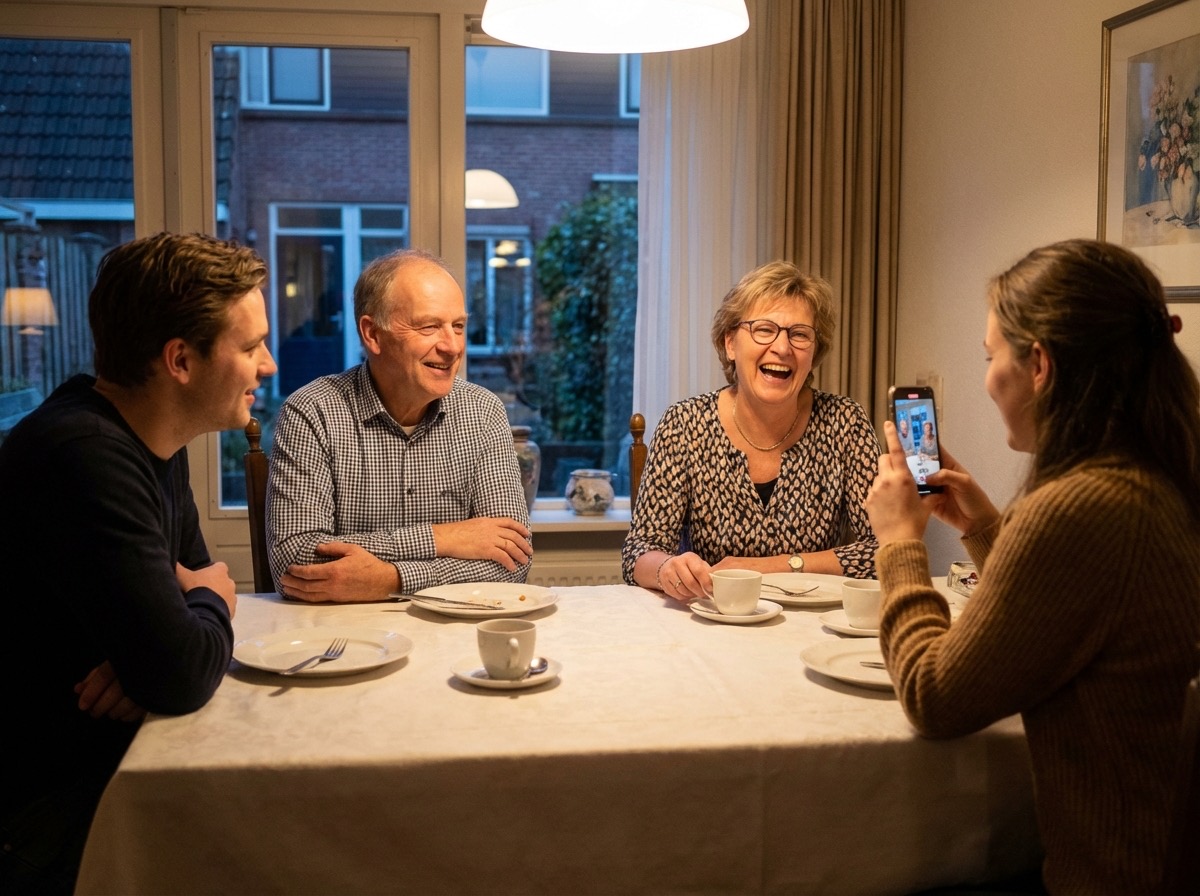
Winner: Abrevity or the DIY method. The key is removing the technology barrier. The best option is sitting together and recording the conversation on your phone so you capture the voice and moments on video. The second-best option is audio recording when video isn’t practical. Phone calls are a good third option when you’re not physically nearby, using our tips for recording family stories.
Best for Creating a Professional Keepsake Book
Winner: Abrevity. If the final, tangible book is your top priority, nothing beats a service that includes professional writing, editing, and design. This turns a collection of memories into a true family heirloom that reads like a compelling story, not just a list of answers.
Best Budget-Friendly Option
Winner: The DIY Method. You can't beat free. If you have more time than money and are confident you can see the project through, sitting down with a notebook or a voice recorder is a powerful way to connect and capture stories. Just be sure to have a plan to turn your notes and files into something shareable.
Choose Abrevity If...
You want a professionally written book, want to minimize the workload for your parent, and care about preserving their real voice (with optional video viewable alongside the book). If you're looking for the lowest cost or want full DIY control, a journal or self-run interview project may fit better.